
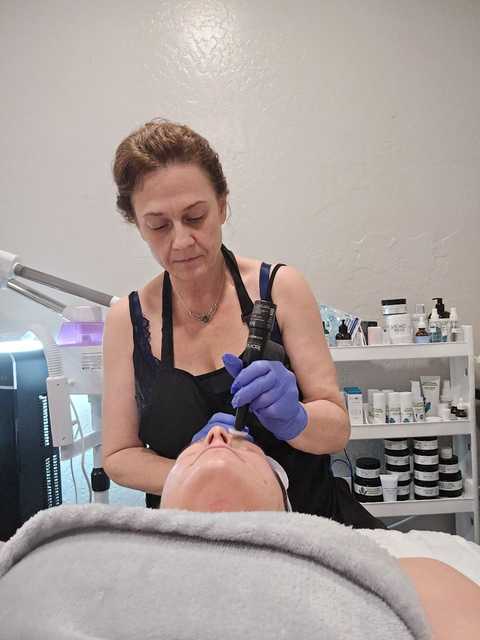
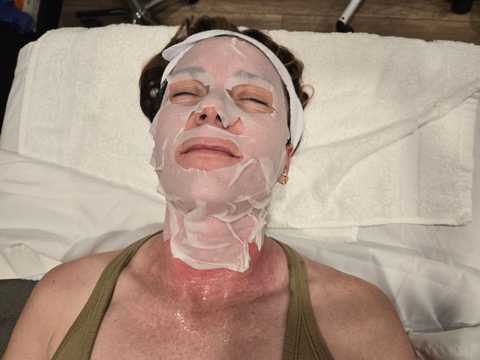
Dermaplaning Facial Gallery
$$MultiPurposeText$$
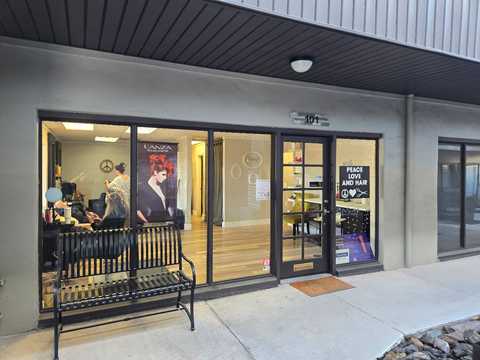
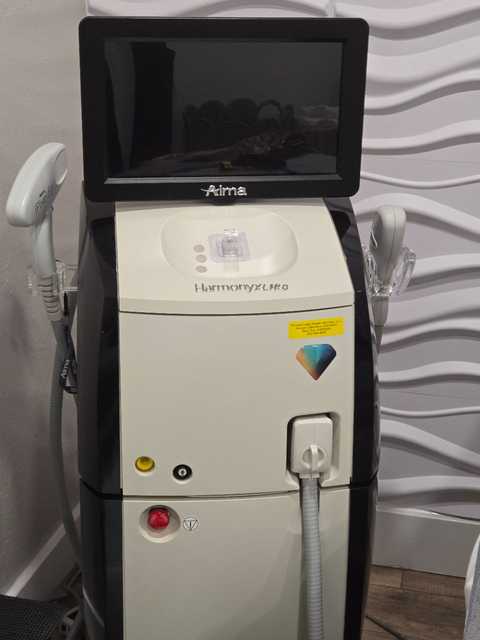
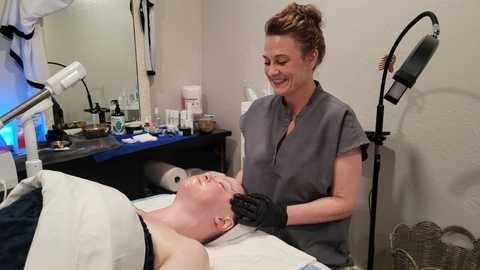
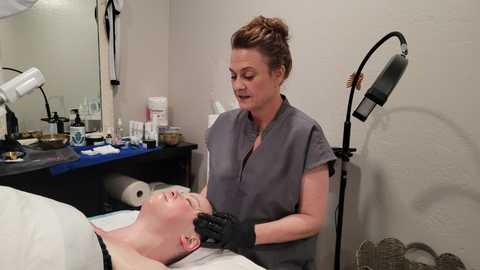
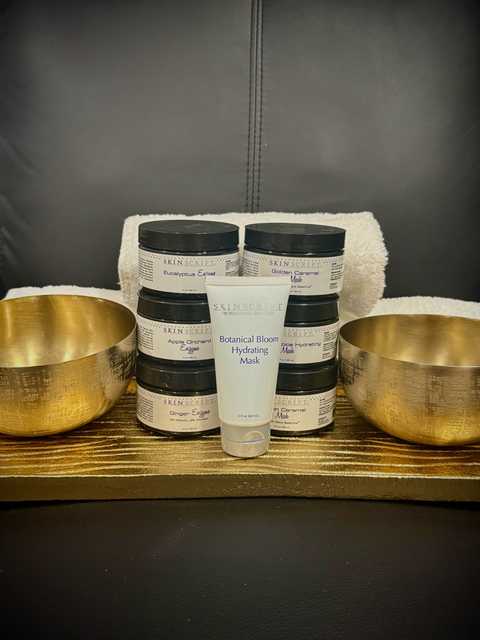
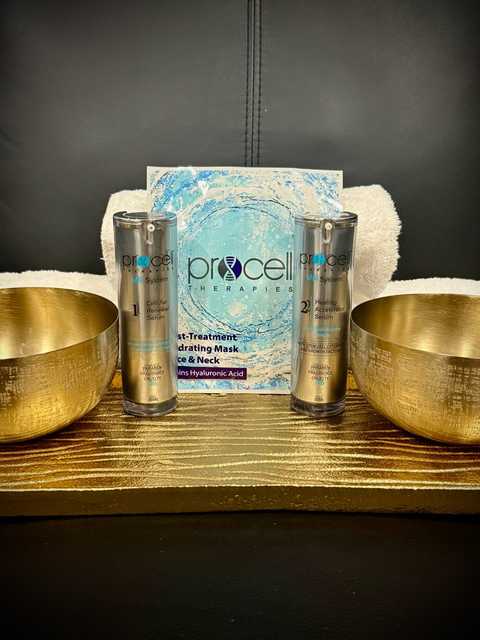
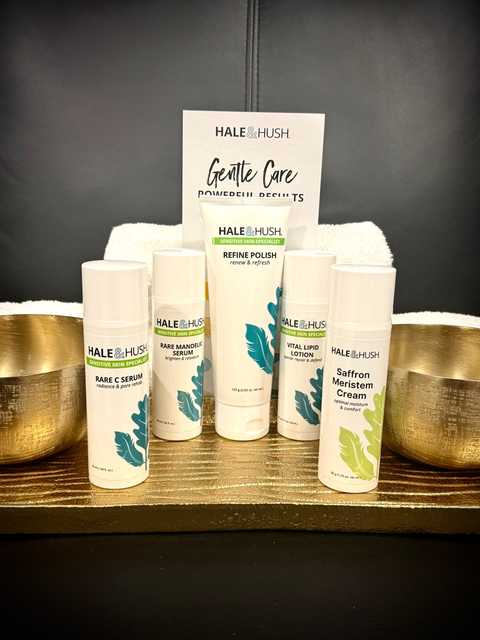
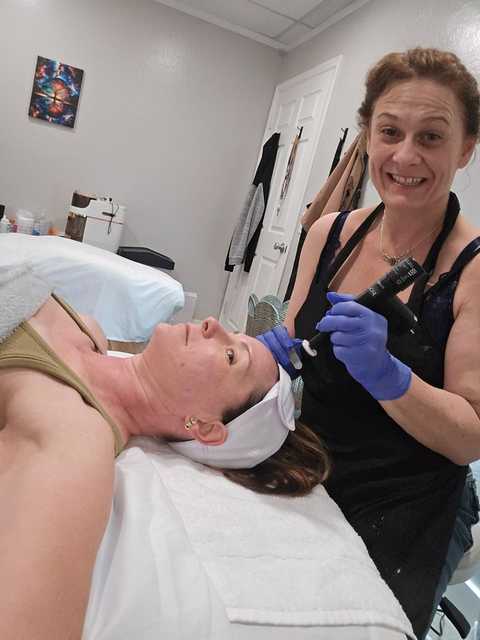
See examples of our Dermaplaning Facial work and results.





What Our Clients Say
$$MultiPurposeText$$
Read testimonials from our satisfied customers

Had a phenomenal experience with Mindy! This was my first facial in several years and my s...more

I am blown away by Mindy’s services. I received my first facial today and I am so happy Mi...more

Got a glow facial, and some dermaplanning- and happy with results! Mindy is so kind, and k...more

I had a wonderful facial with Mindy! She was so friendly, welcoming, and made me feel comf...more

Mindy treated my wife (who was very nervous and hadn’t had facial in awhile) like a queen!...more

If anyone has the magic touch, it’s Mindy. She gave me a rejuvenating glow facial, along w...more

Frequently Asked Questions
Get answers to common questions about Dermaplaning Facial .
Your esthetician will cleanse and prep your skin, glide a sterile blade to remove peach fuzz and dead cells, then apply calming serums and SPF. The add-on takes about 30 minutes and provides immediate smoother, radiant results.
Dermaplaning is generally safe for many skin types, but active acne, open wounds, severe rosacea, or recent chemical peels are contraindications. A consultation and skin assessment ensure it's appropriate; estheticians adjust technique to minimize irritation for sensitive skin.
Most clients book dermaplaning every four to six weeks to maintain smooth skin and enhance product efficacy. Your esthetician will recommend timing based on hair growth, skin condition, and any ongoing treatments like retinoids or professional peels.
No. Dermaplaning removes hair at the skin surface and does not affect follicles. Regrowth maintains the same texture and density; hairs may look temporarily blunt but will soften and return to normal over subsequent weeks.
Dermaplaning pairs well with hydrating masks, LED therapy, and many facials. However, combining with strong chemical peels or aggressive exfoliants may increase sensitivity. Your esthetician will tailor and space services to maximize benefits and ensure safe recovery.
Avoid direct sun, exfoliants, and harsh actives for 48 hours; always apply broad-spectrum SPF daily. Use gentle cleansers, hydrating serums and avoid hot showers immediately. Follow your esthetician's product recommendations to protect the freshly exfoliated skin and maintain results.